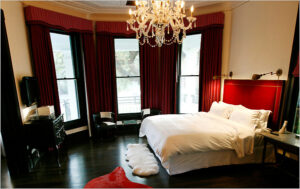
Check In, Check Out: Hotel Saint Cecilia in Austin, Texas | The New York Times
Named after the patron saint of music, Hotel Saint Cecilia is already a favorite of big-name musicians who swing into town to play on the city’s countless stages.
Named after the patron saint of music, Hotel Saint Cecilia is already a favorite of big-name musicians who swing into town to play on the city’s countless stages.
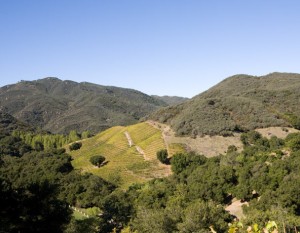
“If anybody said this was Malibu, you’d say they were crazy,” says Richard Hirsh, the millionaire clothier-turned-vintner standing in the vineyards of his Cielo Farms estate.
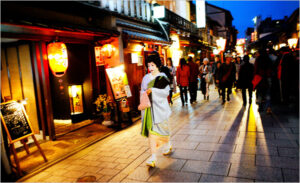
Kyoto, the former imperial capital of Japan, is a vibrant mash-up, an ancient city electrified by the breathtakingly new.
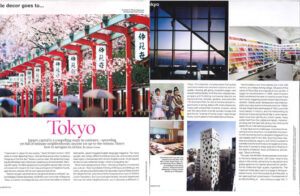
Japan’s capital is a compelling study in contrasts—sprawling yet full of intimate neighborhoods; ancient yet up-to-the-minute. Here’s how to navigate its riches.

The brainchild of Austin-based hotelier Liz Lambert, El Cosmico is a new kind of lodging: part trailer park, part creative commune, “a Trans-Pecos kibbutz
for the 21st century.”
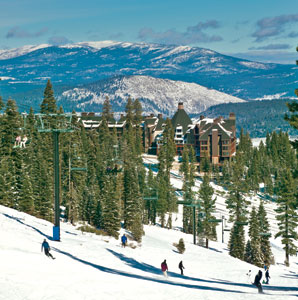
A new Ritz-Carlton and a slew of shops and restaurants are bringing a dose of fresh glamour to this renowned playground.
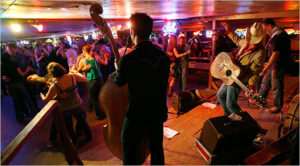
The city’s unofficial motto, “Keep Austin Weird,” blares from bumper stickers on BMWs and jalopies alike, on T-shirts worn by joggers along Lady Bird Lake and in the windows of independently owned shops and restaurants. It’s an exhortation for a city that clings to eccentricity, even in the face of rapid development.

While the megalopolis of Tokyo catapults itself into the future, Kyoto has grown cautiously. Two years ago, the government banned rooftop and flashing ads and put a cap on building height to preserve the centuries-old landscape.
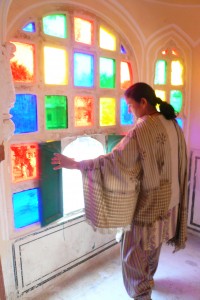
At first, I tried to resist the seduction. I felt that there was something shameful, whorish even, in tourists lusting after color, pointing their cameras at a retreating pink sari, or a flash of red turbans.
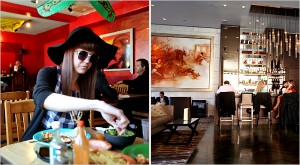
A day in San Francisco, done two ways: on a $250 budget and a $1,000 budget.