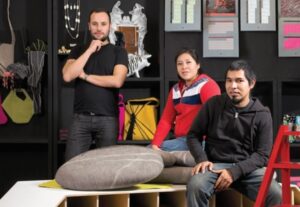
Hecho en Oaxaca | Dwell
An experimental shop in Oaxaca, Mexico, is resuscitating the region’s ancient crafts traditions and bringing indigenous artisans’ designs into the 21st century.
An experimental shop in Oaxaca, Mexico, is resuscitating the region’s ancient crafts traditions and bringing indigenous artisans’ designs into the 21st century.

Monica Förster takes a hands-on approach to furniture design. In her Stockholm studio, she whips up a flurry of tiny paper models—“3-D sketches”—that rival their full-scale progeny for beauty and craftsmanship.

Don’t be fooled by his mellow, self-effacing demeanor: Architect Thomas Phifer is a master of his craft, designing daylit, minimalist buildings that meld the ideals of classic modernism with 21st-century innovations.
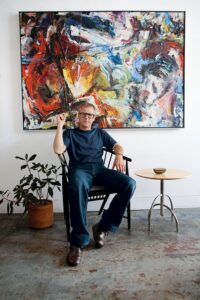
“I’ve told customers, ‘Maybe you don’t need another chair,’” Chris Houston says. “Even though I sell things, I do like to remind people that you don’t need to own it to appreciate it.”
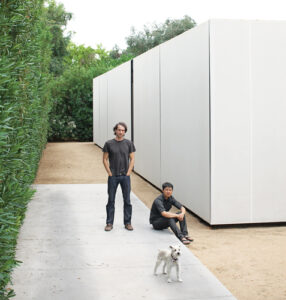
When Jay Atherton and Cy Keener met in grad school at the University of California, Berkeley, they discovered in each other a rare constellation of common interests: minimalist architecture, rock climbing, and “not talking.”
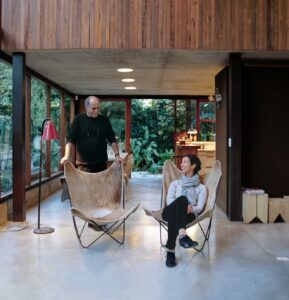
Gesturing at the wood-and-iron house he designed for his family three years ago, the Buenos Aires–based furniture designer and architect Alejandro Sticotti declares, “It was like putting in a UFO, like something from Mars.”
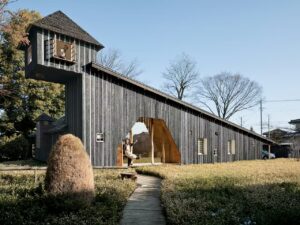
A modern eccentric with an architectural sensibility drawn from ancient Japanese traditions, Terunobu Fujimori designs projects that are exercises in playful experimentation and sophisticated craft.
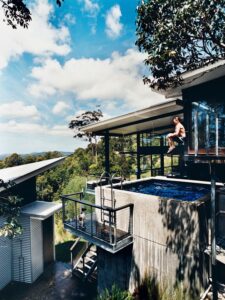
Few people would spend their life savings on a plot of land they’d never seen. Two exceptions are Adrienne Webb and Stefan Dunlop, who, while living in a loft in London, snapped up an acre of land in northeastern Australia, 10,000 miles away.
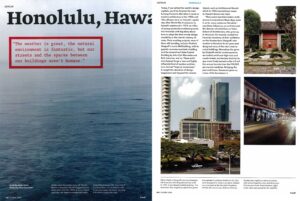
Today, if you tallied the world’s design capitals, you’d be forgiven for overlooking Honolulu. But when it came to modern architecture in the 1950s and ’60s, all eyes were on Hawaii’s capital city.
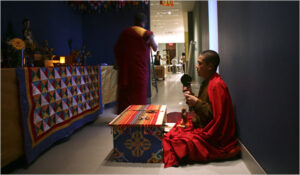
On a recent afternoon, art handlers in T-shirts and tattoos paced the sixth-floor gallery of the Rubin Museum of Art, wielding levels and hammers. Cowering slightly in a corner in ruby and orange robes were two shy visitors, Lama Karma Tenzin and Lopen Sonam Wangchuk, monks from the remote Himalayan Buddhist kingdom of Bhutan.